
Media List
Critical Moments Reveal Equipment Flaws
Critical vulnerabilities in payment equipment surface during high transaction volumes or software updates, due to latent hardware and compatibility issues.

Middleware Solutions Introduce New Problems
Middleware applications streamline payment processing operations by integrating systems but introduce complexity, security, performance, data consistency, interoperability, and maintenance challenges.

Contract Terms Obscure True Costs
Payment processing contracts often hide true costs through confusing fee structures, multi-tiered fees, and undisclosed terms, impacting merchants' financial commitments.

Pricing Models Confuse Prospects
An overview of tiered, interchange-plus, flat-rate, and subscription-based pricing structures and their impact on merchant decision-making.

Attack Vectors Evolve Daily
The payments industry faces evolving cyber threats like malware, phishing, ransomware, and new attack vectors such as IoT vulnerabilities and cryptojacking, necessitating robust cybersecurity measures.

Jurisdiction Conflicts Create Chaos
Jurisdictional conflicts in the payments industry arise from overlapping regulatory frameworks across borders, impacting compliance and enforcement strategies.

Evidence Collection Determines Outcomes
Evidence collection in payment processing ensures transaction accuracy, fraud prevention, and effective customer interactions.

Point Valuations Shift Unexpectedly
Point valuations in loyalty programs are influenced by economic conditions, market demand, and technological advancements, leading to dynamic adjustments for maintaining competitive advantage.

Repayment Gaps Trigger Collection Nightmares
Repayment gaps in lending arise from missed payments, leading to operational challenges for collection strategies and financial impacts on lender liquidity and risk profiles.

Wiring Tangles Into Impossible Knots
The integration of payment processing into retail involves complex interoperability among payment gateways, POS systems, and back-office operations, requiring secure, real-time communication and compliance with regulatory standards.

Legacy Systems Resist Modern Standards
Legacy payment systems often face challenges in integrating with modern standards due to outdated technology and infrastructure.

Support Tickets Overwhelm Small Teams
Small teams in complex transaction sectors struggle with support ticket overload due to limited resources, requiring strategic automation and analytics for improved resolution times.

Sales Cycles Stretch Beyond Forecasts
Sales cycles in payments and merchant services are extended due to compliance complexities, technology integration challenges, market fluctuations, intricate decision-making processes, and detailed vendor evaluations.

Criminals Adapt Faster Than Safeguards
Cyber attackers use sophisticated techniques to exploit vulnerabilities in payment systems, necessitating dynamic security measures.

Audits Arrive Without Warning
Unannounced audits ensure financial institutions' compliance with regulations, AML policies, and data protection standards.

Backend Complexity Remains Invisible
Backend complexity in payment processing involves integrating components like gateways and fraud detection systems to ensure secure, efficient transactions.

Liabilities Accumulate From Unused Points
Explore the financial implications of unused loyalty program points as liabilities. Learn about FASB accounting rules, deferred revenue, and strategies to manage these liabilities for better financial health and customer engagement.

Default Risks Haunt Every Deal
An insightful overview of default risks within credit-based transactions, affecting lenders, payment processors, and loyalty programs. This piece discusses the strategies employed to predict, mitigate, and manage these risks to ensure financial stability in payment processing and merchant services.

Software Updates Break Compatibility
Exploring how software updates affect hardware and software interoperability within payment systems, potentially disrupting transaction processing and requiring careful management of compatibility issues.

Platform Silos Block Data Flow
Examine the challenges posed by platform silos in payment processing and merchant services, focusing on data inefficiencies and their impact on transaction times and customer insights. Explore integration technologies and strategies like APIs and middleware to enable seamless data flow and enhance merchant-customer interactions.

Downtime Destroys Merchant Relationships
Explore the critical impact of system downtime on payment processing, highlighting the financial and reputational challenges faced by merchants due to transaction failures. Discover strategies for payment processors to maintain reliability and support merchant trust.

Technical Debt Hampers New Signups
Explore how technical debt affects efficiency in customer sign-ups for the payments industry, leading to outdated code, inconsistent integrations, and user experience challenges.

Detection Systems Flag Innocent Purchases
Explore how fraud detection systems in payment processing navigate the trade-off between accuracy and minimizing false positives, utilizing advanced machine learning and algorithms to assess transaction patterns while improving customer experience through continual refinement and collaboration.

Requirements Change Across State Lines
Exploring regulatory, tax, and consumer protection disparities across states affecting payment processors and merchants. Learn how to maintain compliance and optimize operations in varying legal and cultural environments.

Processors Mediate Conflicting Claims
Exploring how payment processors mediate disputes between merchants, consumers, and financial institutions through transaction verification, regulatory compliance, and advanced data analytics.
Partner Negotiations Extend for Months
Exploration of factors contributing to prolonged negotiations in merchant services and payment processing partnerships, including compliance, technology integration, data security, and revenue sharing.

Risk Assessment Contradicts Urgency
This article discusses the challenges of reconciling risk management with urgent business demands in payment processing. It highlights the importance of integrating risk assessments into agile development processes and fostering collaboration between risk management and business development teams. The focus is on employing advanced analytics, real-time monitoring, and adaptive risk strategies to achieve equilibrium between security and expedience.

Hardware Malfunctions at Peak Hours
Explore strategies to overcome hardware failures in payment processing during peak hours. Learn about common issues such as terminal connectivity failures and inadequate memory management, and discover effective solutions like system redundancy, regular maintenance, and real-time monitoring to enhance operational resilience.

APIs Refuse to Communicate Properly
Explore the common challenges faced in integrating third-party APIs for payment processing systems, including version mismatches, network latency, and security protocol issues. Learn about strategies to mitigate these problems through robust documentation, testing environments, and effective monitoring tools.

Integration Failures Erode Merchant Trust
Integration failures in payment processing systems can significantly undermine merchant trust, impacting seamless transactions and leading to disrupted revenue and increased costs. Key issues include incompatibility, faulty APIs, and outdated protocols, affecting payment gateways, POS systems, and accounting software. These challenges can cause transaction delays, data mismatches, and system downtime, leading to trust erosion, especially without effective resolution and communication from providers. Reliable support is essential for maintaining trust and competitive advantage.

Compliance Hurdles Slow Onboarding
Explore the complexities of compliance in the payment services industry, focusing on challenges in onboarding due to varying regulatory requirements, cross-border payments, and data privacy laws. Understand how providers are using technology to streamline processes while ensuring adherence to AML, KYC, and GDPR standards.

False Positives Alienate Legitimate Customers
Explore strategies to reduce false positives in payment processing, enhance customer satisfaction, and improve merchant profitability by balancing fraud detection and user experience.

Rules Multiply Faster Than Resources
Exploring the impact of regulatory measures on payment processors, alternative lending, and loyalty program management. The need for advanced compliance infrastructure, real-time monitoring, and data governance to address fraud, data breaches, and financial regulations.

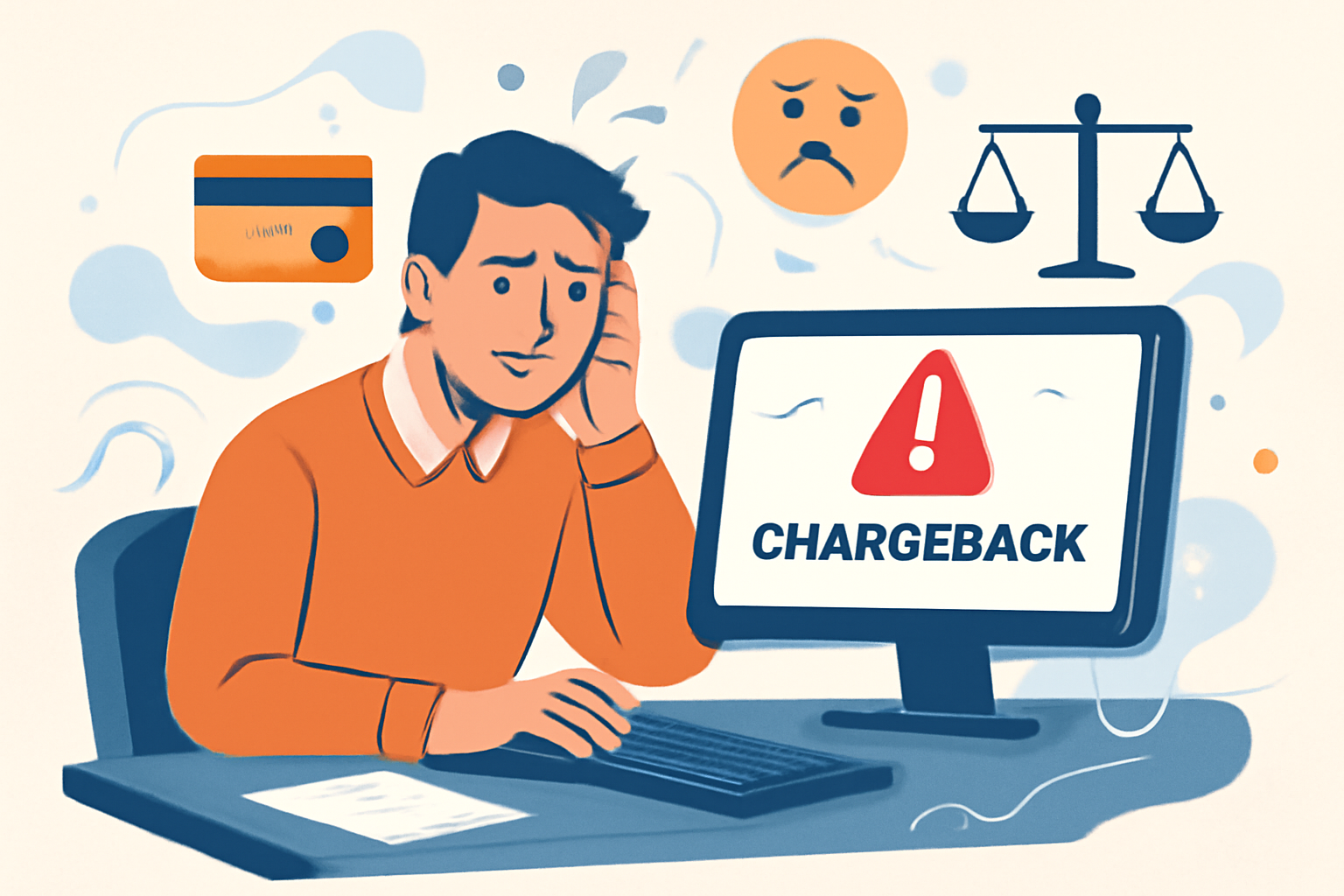
Merchants Contest Every Transaction
Explore the reasons merchants contest transactions, focusing on chargebacks, fraud prevention, and subscription disputes. Learn the importance of evidence in disputes and proactive strategies to minimize financial risk.
Redemption Rates Defy Prediction Models
This article explores the complexities inherent in predicting redemption rates for loyalty programs. It discusses the impact of customer behavior, changes in program design, and the influence of external economic and technological factors. The article also examines how traditional predictive models struggle with the dynamic nature of consumer preferences, influenced by promotions, economic conditions, and technological innovations.

Balancing Underwriting Speed and Risk in Merchant Cash Advances
Explore the dynamics of underwriting in Merchant Cash Advances (MCAs), focusing on balancing swift capital access with effective risk management. The agile underwriting process integrates advanced data analytics, leveraging transaction history, sales projections, and social media sentiment to assess creditworthiness efficiently. Automated systems enhance this by using predictive algorithms to identify risks, while customized risk models and ongoing monitoring help mitigate potential defaults.

Navigating Chargeback Disputes: A POS Specialist's Perspective
This guide outlines the essential skills and knowledge areas for POS specialists to navigate and resolve chargeback disputes effectively. It covers technical understanding of POS systems, data collection and analysis, leveraging technology, building a defense, communication, and prevention strategies.

This content is for entertainment and technical demonstration only and may be flawed, incomplete or outdated. Always consult a qualified professional for information and decisions. Content is provided “as is” without warranties of any kind. Use at your own risk. We're not responsible for any loss or damage from use or reliance.